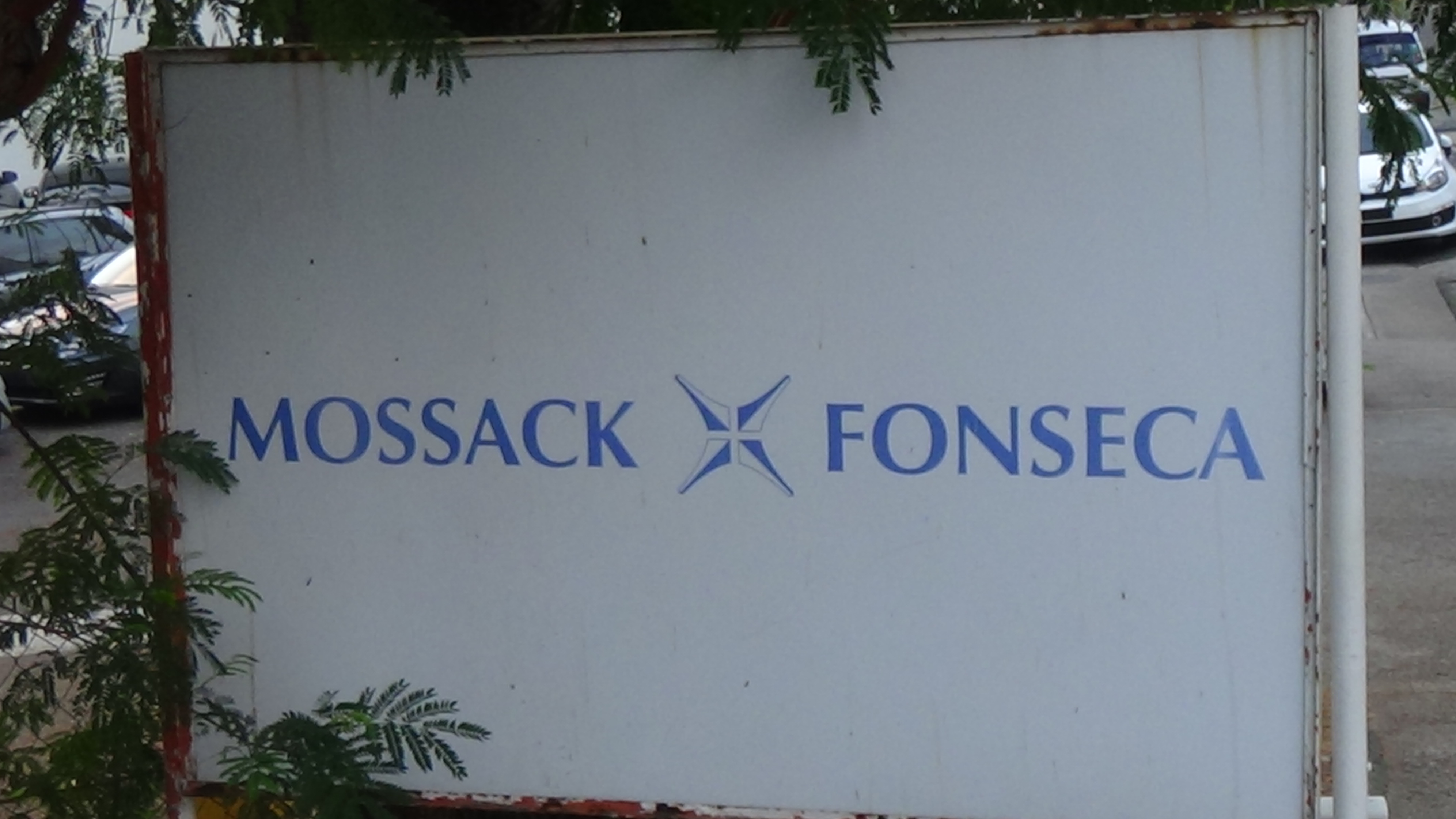
On 3 April 2016, 11.5 million records from a Panamanian law firm called Mossack Fonseca were published simultaneously by journalists in eighty countries, 2.6 terabytes handed to reporters by an anonymous source and distributed through the International Consortium of Investigative Journalists. icij.org It remains the largest financial leak journalism has ever worked with. Ten years on, the honest way to ask what it achieved is to count.
The counting is harder than it sounds, and the two published totals measure different things. ICIJ’s own tally of sums directly attributable to the investigation stands at roughly $1.3 billion, and the organisation warns openly that this is an undercount, because many countries never disclose what they collect. icij.org A broader accounting of taxes, penalties and levies recovered over the decade puts the figure at approximately $2 billion. aljazeera.com In 2019 the running total was $1.2 billion across 22 countries, so the number has kept climbing for ten years rather than arriving all at once. icij.org
Underneath the totals, the distribution is uneven in ways the totals hide. The United Kingdom, Sweden and France each recovered somewhere between $200 million and $250 million. Panama, the jurisdiction whose name the leak carries, recovered $14.1 million. aljazeera.com India opened close to 425 tax cases and investigated some $1.5 billion, and recovered about $16 million of it. aljazeera.com Whatever the leak was, it was not evenly distributed justice.
Some things did end. Mossack Fonseca closed within months of publication. icij.org Iceland’s prime minister resigned two days after the story ran. icij.org Pakistan’s Nawaz Sharif was removed from office in 2017 and sentenced the following year to ten years in prison and a $10.6 million fine, and politicians in Mongolia, Spain and elsewhere fell too. icij.org
And some things did not. The firm’s co-founders were acquitted by a Panamanian court. Most people named in the documents were never charged with anything, Iceland’s former prime minister among them, ten years on. aljazeera.com Offshore secrecy did not end when the firm that sold it closed; the business moved.
Ten years of the largest financial leak in history produced, in the main, tax settlements. That is a real result, and it is a smaller result than the scale of the documents implies.
Comment
The Questions That Remain
Two billion dollars is either proof of what leak-driven journalism can collect or small change beside what stayed hidden, depending on the comparison you choose. Against the cost of the reporting, it is an extraordinary return. Against the 214,000 offshore entities the documents named, it is small enough to raise the question of what the other outcome would even have looked like.
The more useful question concerns the machinery rather than the money. Tax authorities recovered; prosecutors largely did not. Settlements are quicker, need a lower standard of proof, and produce a number a government can announce. Criminal cases are slow, expensive, frequently lost, and in most of these jurisdictions require proving intent across borders using records obtained from a leak. Faced with that asymmetry, revenue services did the thing they are built to do, and almost everywhere they did it instead of prosecution rather than alongside it.
If the biggest financial leak in history mostly produced settlements, then information was never the constraint. It was what the institutions receiving the information are actually equipped to do with it, and no future leak fixes that. A second Panama Papers would land in the same offices, be read by the same overstretched teams, and be resolved by the same instrument, because that is the instrument those offices have. The reporting was never the bottleneck.
What You Can Do
None of this would be countable without reporters who spent a year in 2.6 terabytes of somebody else’s documents and kept digging for a decade after the headlines stopped. That takes months. It takes readers funding the work. icij.org
We’re following their reporting, not conducting it ourselves. The real insight these stories offer isn’t in the initial revelation—it’s in what happens after everyone stops watching. Stay with these cases when they’re old, and you’ll see what the system actually does with power.